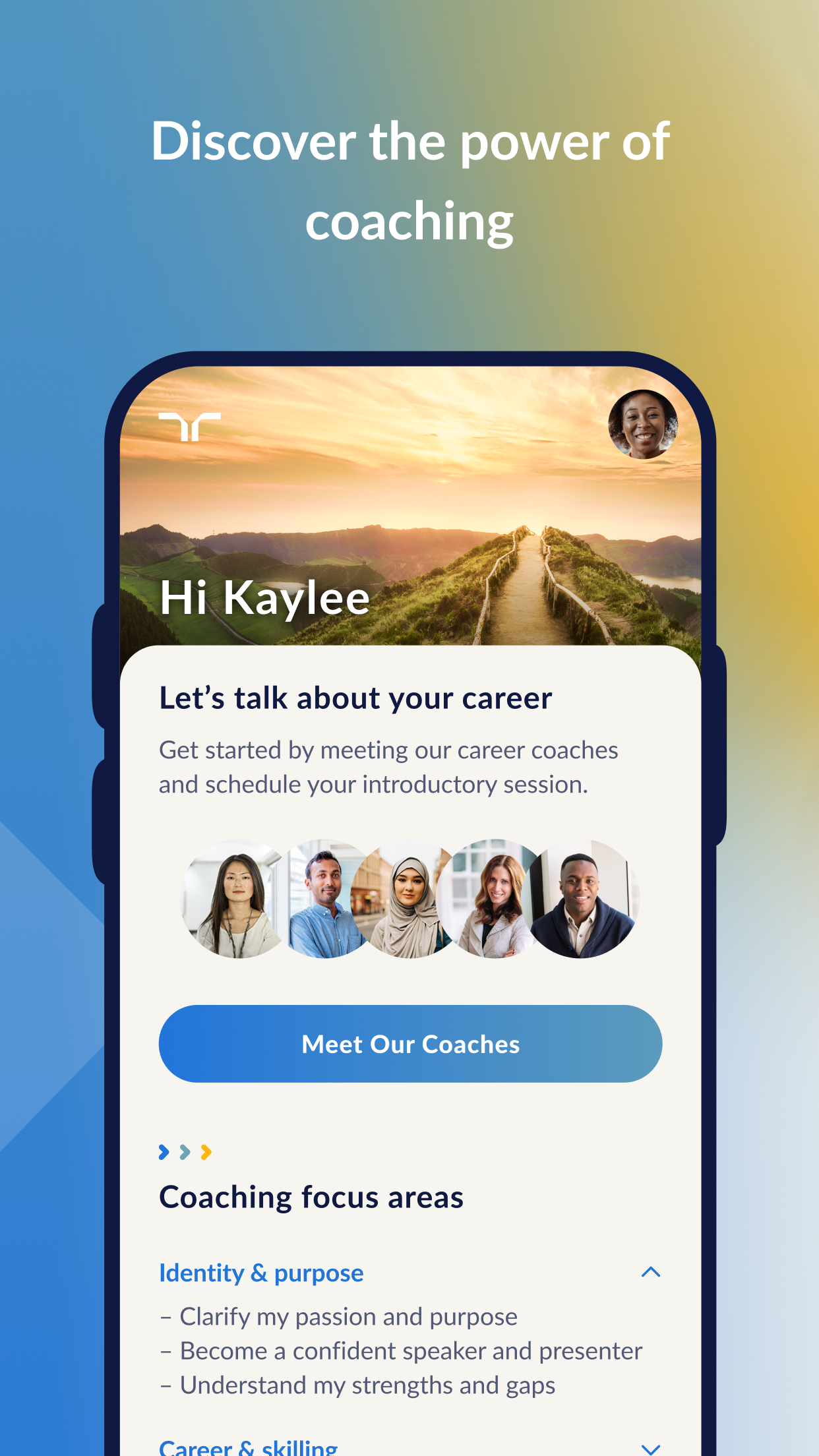
Worklife Coaching: Turning a low-adoption product into a $2M revenue driver
Context
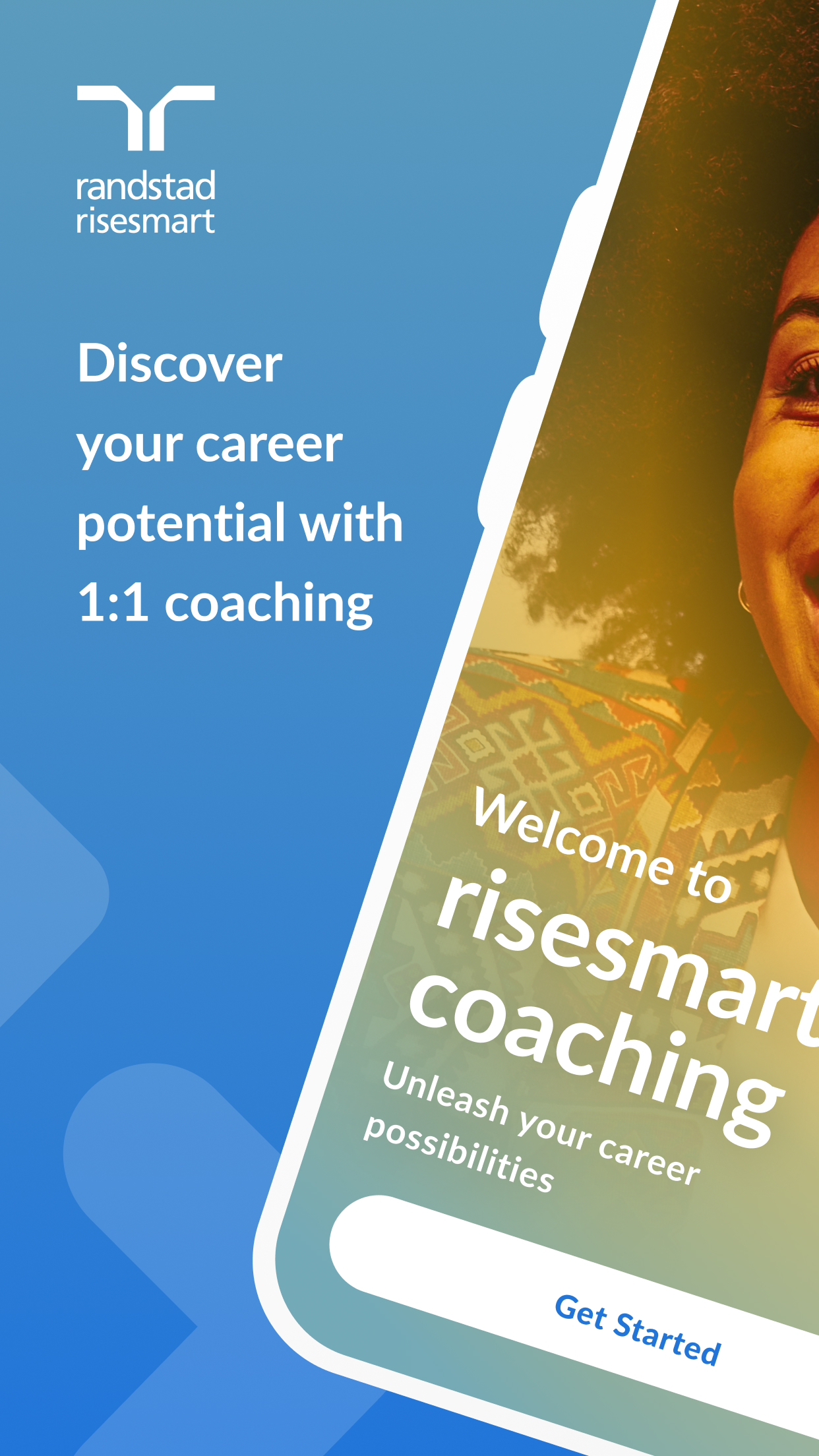
RiseSmart is a career transition platform acquired by Randstad, traditionally focused on outplacement services for employees affected by layoffs. The company launched a new product line, Worklife Coaching, to provide career coaching for current employees.
My Role
- Led and managed a 4 person product design team
- First design leader, built out design practice, including new user research function, sprint-based processes, collaborative rituals (retrospectives and reviews), career development, and design systems.
- Improved conversion to ~60% through a combination of product and non-product changes, contributing to $2M+ annual revenue
Business Model
Worklife Coaching operated on a pay-as-you-go model. Companies did not pay for access, only per coaching session completed by their employees. This created a direct link between user behavior and business outcomes:
- No coaching calls → no revenue
- No repeat calls → no recurring revenue
- Low adoption → no measurable customer impact
Conversion to a first session wasn’t just a UX metric, it was critical to how we made money, especially considering the potential for repeat calls from an individual user once their coaching relationship was established.
The Problem
After initial launch, employees were signing up but most never booked a coaching session. Only 25% of registered users converted into their first call. This surprised us because employees already were showing intent by registering. Where were we losing people?
The business set a goal of 70% conversion from registration to first call, as that’s what we needed in our financial modeling to maximize the contracts we had in place with customers.
Through a combination of product redesign, research, and messaging improvements, we increased conversion from 25% → 60%+
These improvements helped drive over $2M in annual revenue for the Worklife Coaching product line.
Phase 0 – Proving Value Without Product
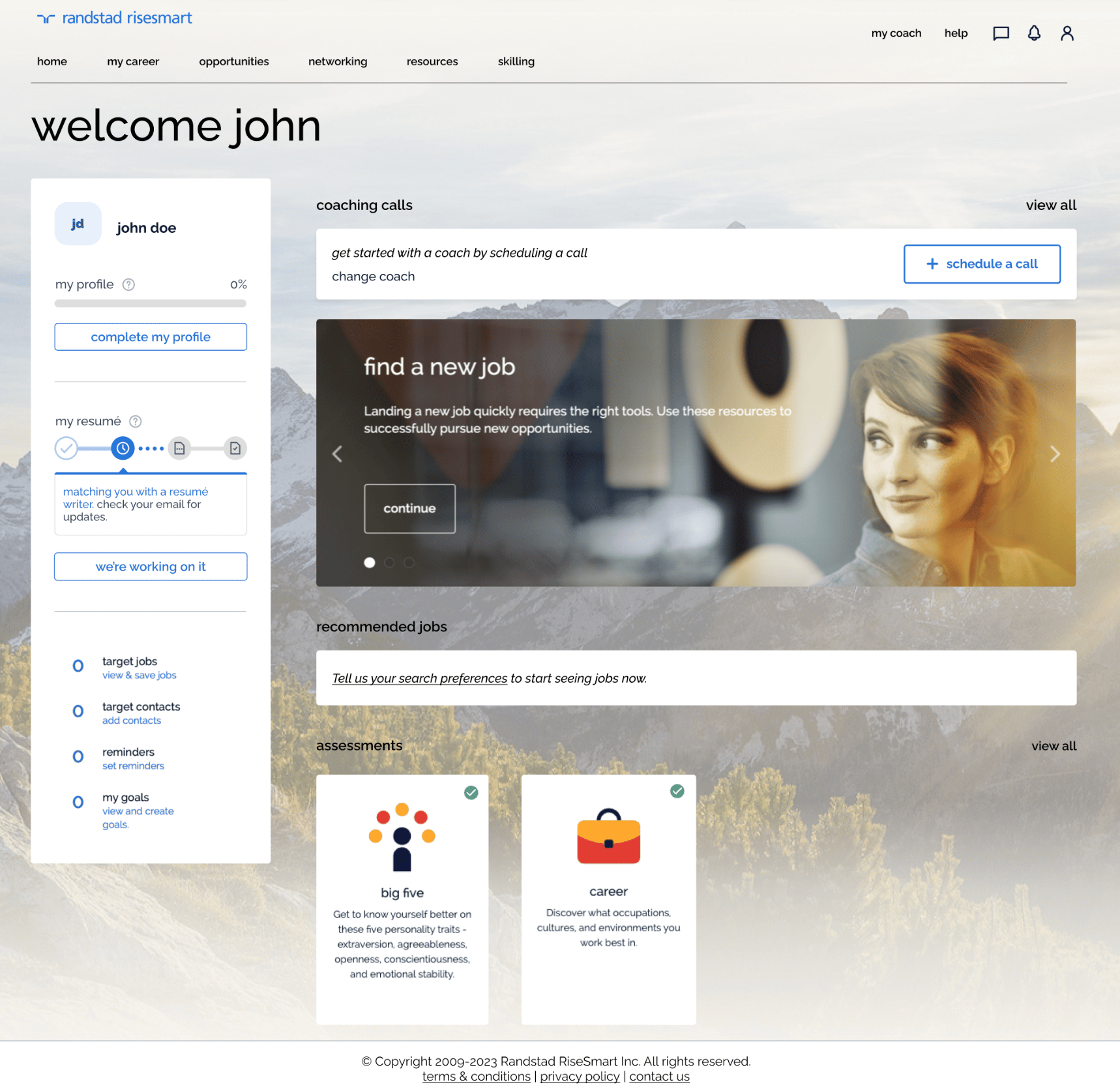
The service delivered value before the product existed. The earliest version of Worklife Coaching had no real onboarding experience:
- Users registered and landed in a generic dashboard
- Scheduling was handled manually by operations
- Coaches reached out via email to initiate sessions
Despite this, users still engaged. The core value of coaching was strong, even with a poor product experience. This validated the opportunity and justified investing in scaling the product.
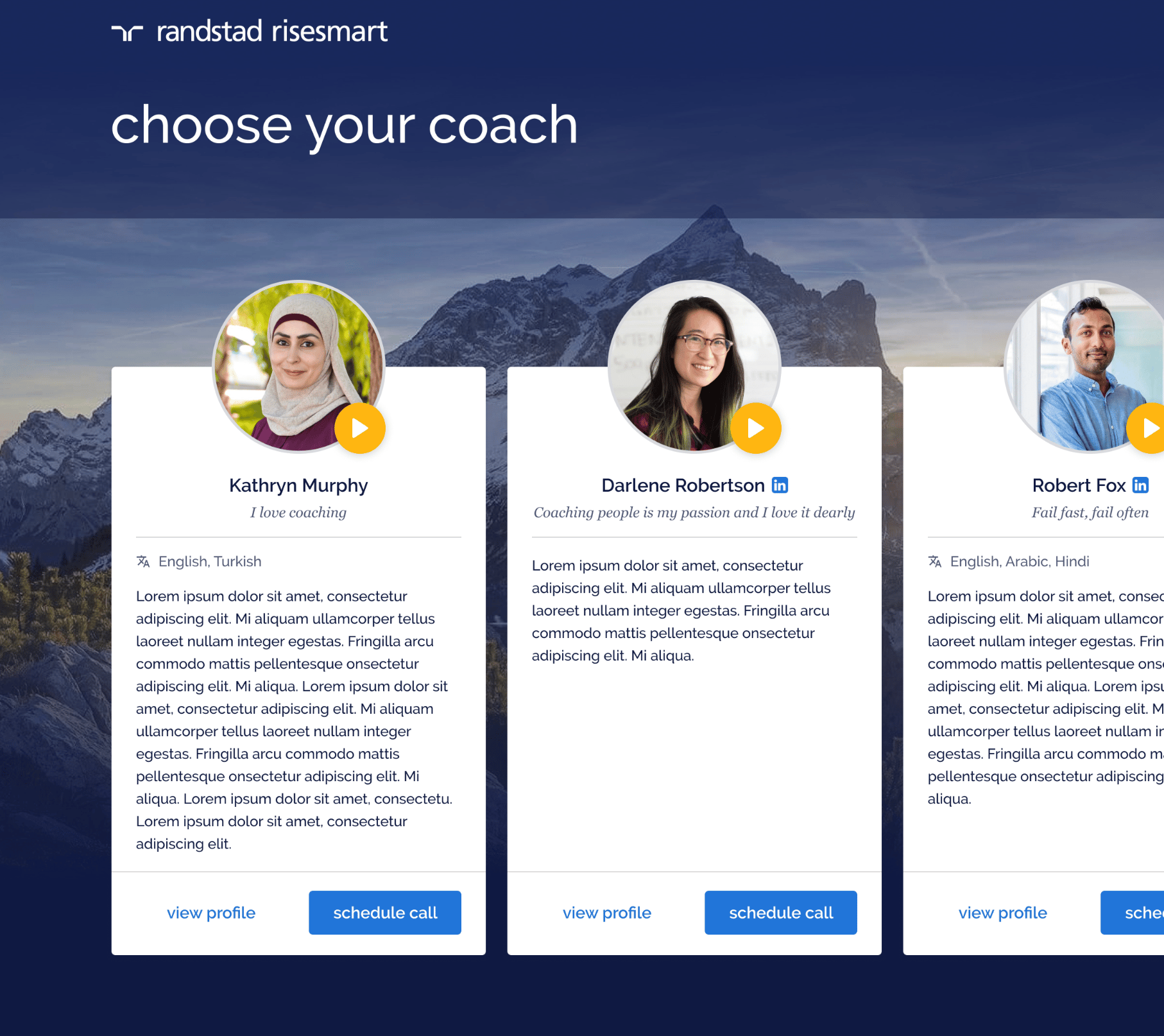
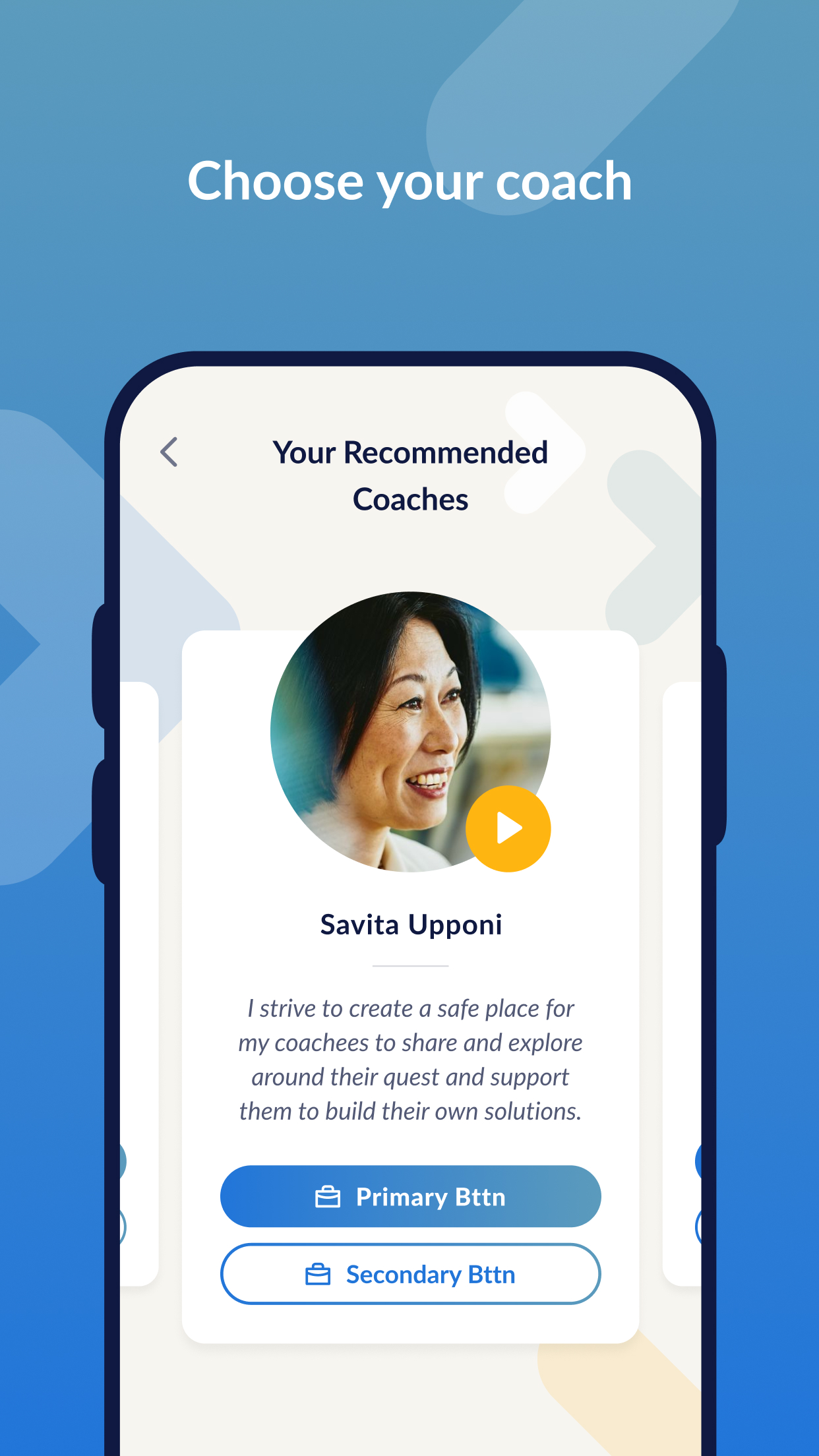
We optimized for perceived value, but accidentally created decision paralysis. To support growth, we introduced self-service onboarding. A key feature allowed users to choose their coach. We added it because:
- It had been promised during sales and customers loved the concept
- It was popular internally too, seen as a value-add
However:
- This is where conversion plateaued at ~25%
- Users spent excessive time comparing coaches
- Many dropped off after reviewing large numbers of options
Despite designing the feature to only show up to three coaches at a time, we created a difficult and sometimes overwhelming choice for users.
Inflection Point: Remove Decision Friction
I led an investigation into whether coach selection was actually beneficial. We studied users who had been automatically assigned a coach in the earliest version of the product to try to understand whether not having coach selection materially affected their experience.
Findings
- Satisfaction was the same regardless of coach selection
- Users didn’t need to choose to have a good experience
- For non-converters, coach selection was not the primary barrier
Decision
We redesigned onboarding to:
- Automatically assign a coach, keeping selection as a secondary option
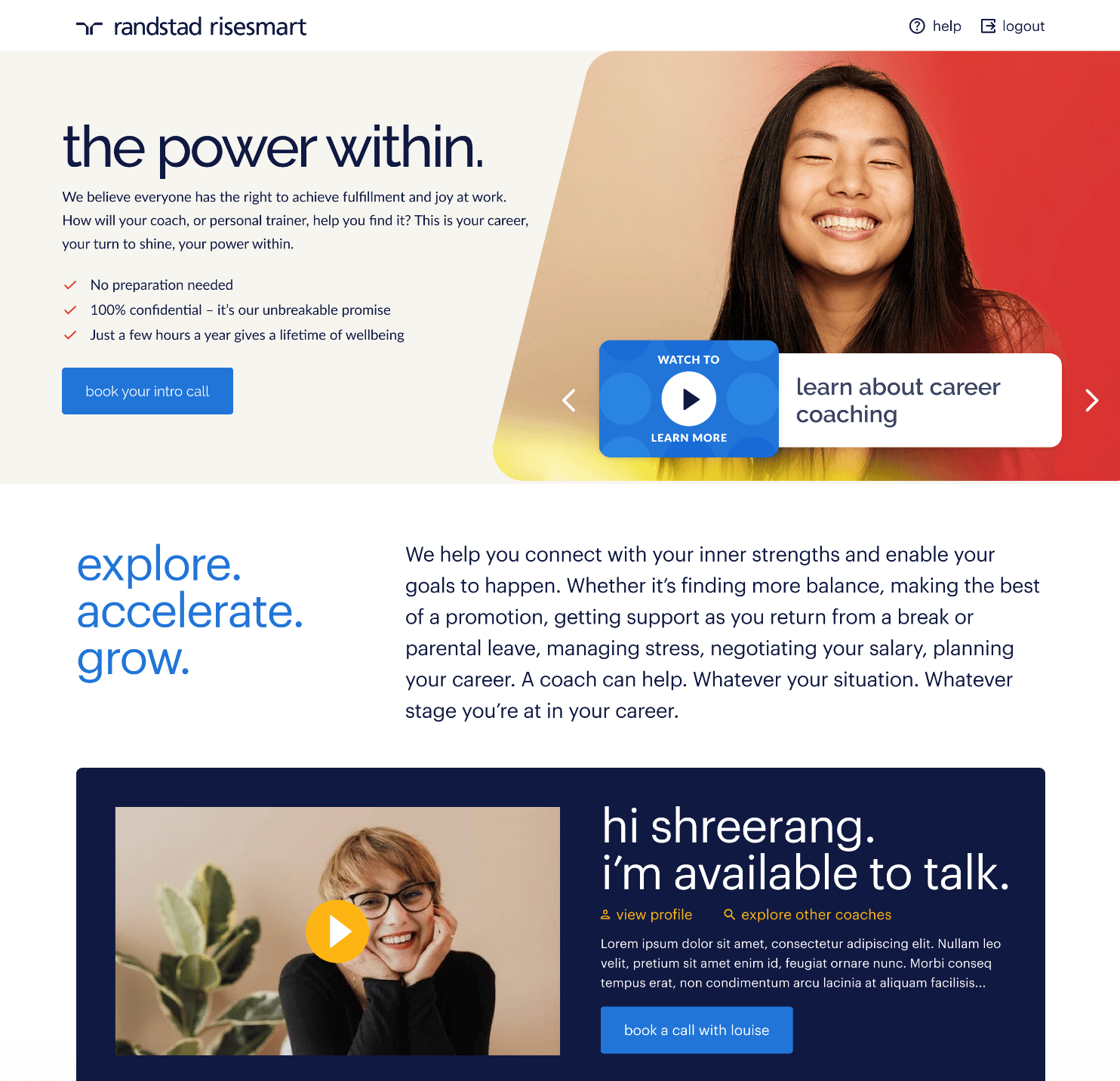
- Provide an overview page to help sell the experience
- Focus the flow on booking a first session immediately
Result
Conversion improved from 25% → ~50%.
Phase 1 – Scaling Introduced Friction
Phase 2 — Understanding the Broader System
Even after improving onboarding, conversion plateaued again. To understand the remaining gap, I led research with one of our largest customers, Cisco:
- ~90,000 eligible employees
- High engagement from HR
- 47% of registered users were not booking a call
Inflection Point #2: Conversion happens before the product
Through interviews and analysis, we uncovered a critical insight: Users already had intent before reaching the product.
- Some wanted resume help
- Some wanted coaching
- Some were just exploring
The product had limited ability to change that intent.
Major barriers existed outside the product
1. Weak brand recognition
- Many users didn’t remember RiseSmart
- Emails were ignored or perceived as phishing
2. Misaligned expectations
- Coaching was presented as “training”
- Users expected structured programs, not live conversations
3. Poor follow-up experience
- Users didn’t know how to re-engage
- Booking felt unclear or disconnected
Decision
We expanded beyond product design and worked with stakeholders to improve:
- Entry points within HR systems
- Messaging and positioning
- Follow-up communication
Result
Conversion improved to ~60% at Cisco without product changes.
Phase 3 — Fixing Messaging at the Product Level
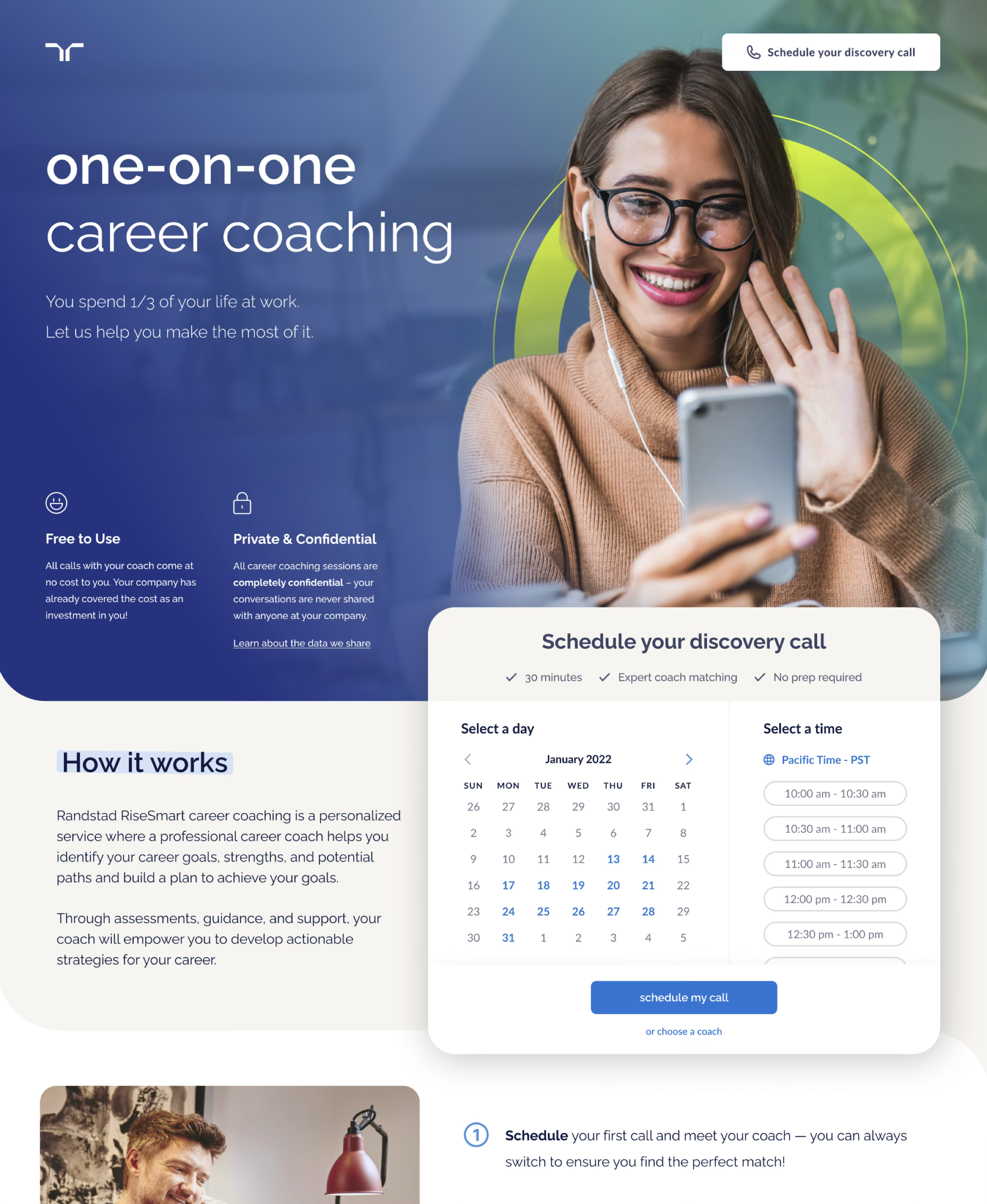
With system-level issues better understood, we returned to the product experience. I led a rapid research study using look-alike enterprise users to evaluate the landing page.
Findings
Even when users understood the product, key gaps remained:
- Trust: Users were unsure conversations were confidential
- Cost: Many assumed the service required payment
- Relevance: Coaching felt valuable but not personally relevant
Inflection Point #3: Designing for trust, clarity, and relevance
We redesigned the conversion experience around these principles:
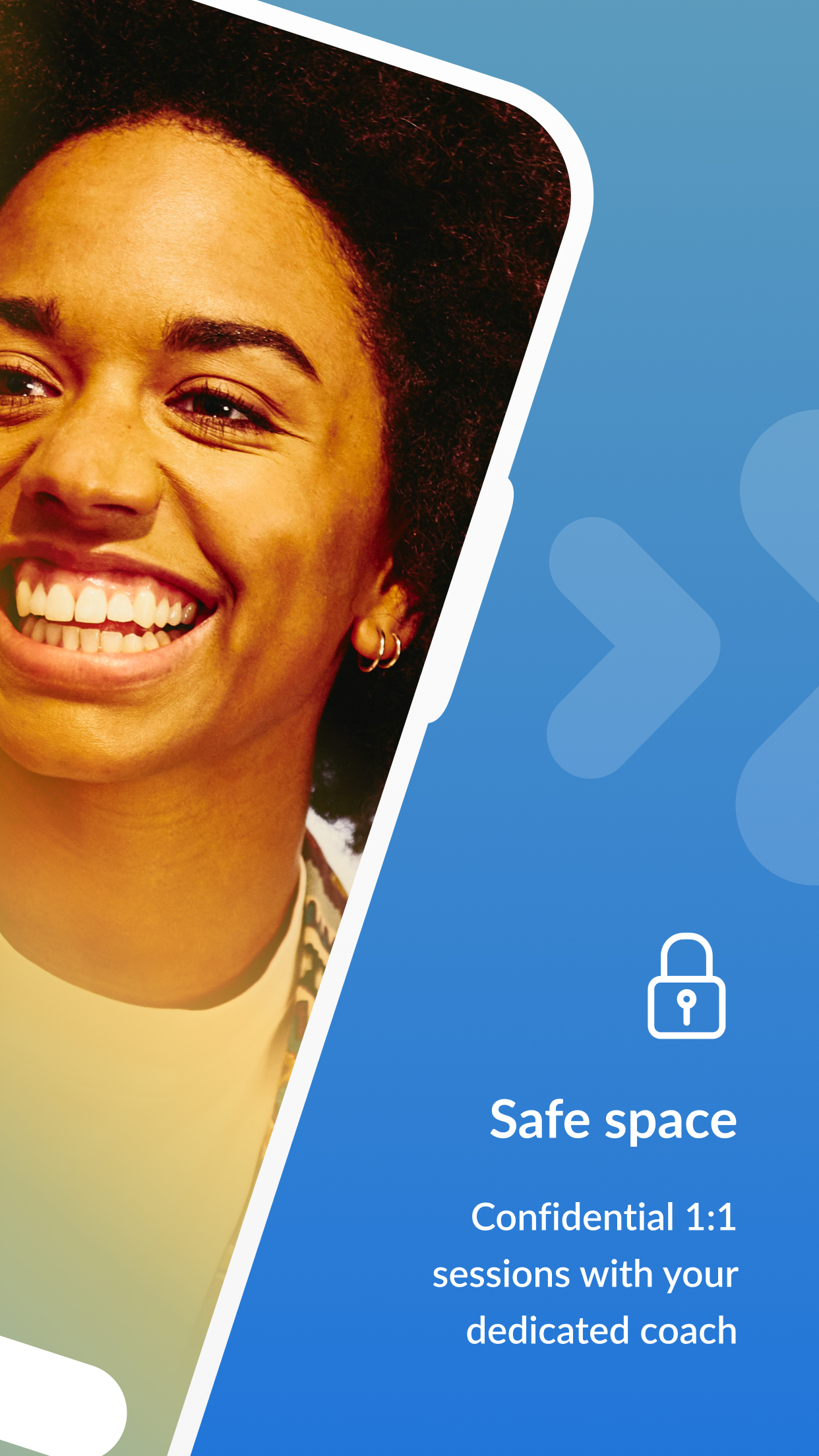
- Build trust: Clearly communicate confidentiality and privacy protections.
- Clarify cost: Position coaching as a free employer-funded benefit.
- Increase personal relevance: Show real scenarios where coaching applies to everyday work situations.
- Reduce friction: Streamline the flow and make it even easier to book a first session immediately.
Outcome Across all phases
- Conversion increased from 25% → 60%+
- The product generated $2M+ in annual revenue
- We developed a repeatable model for improving adoption.
This work fundamentally changed how we approached product design from feature driven to systems / behavior driven.
Looking forward
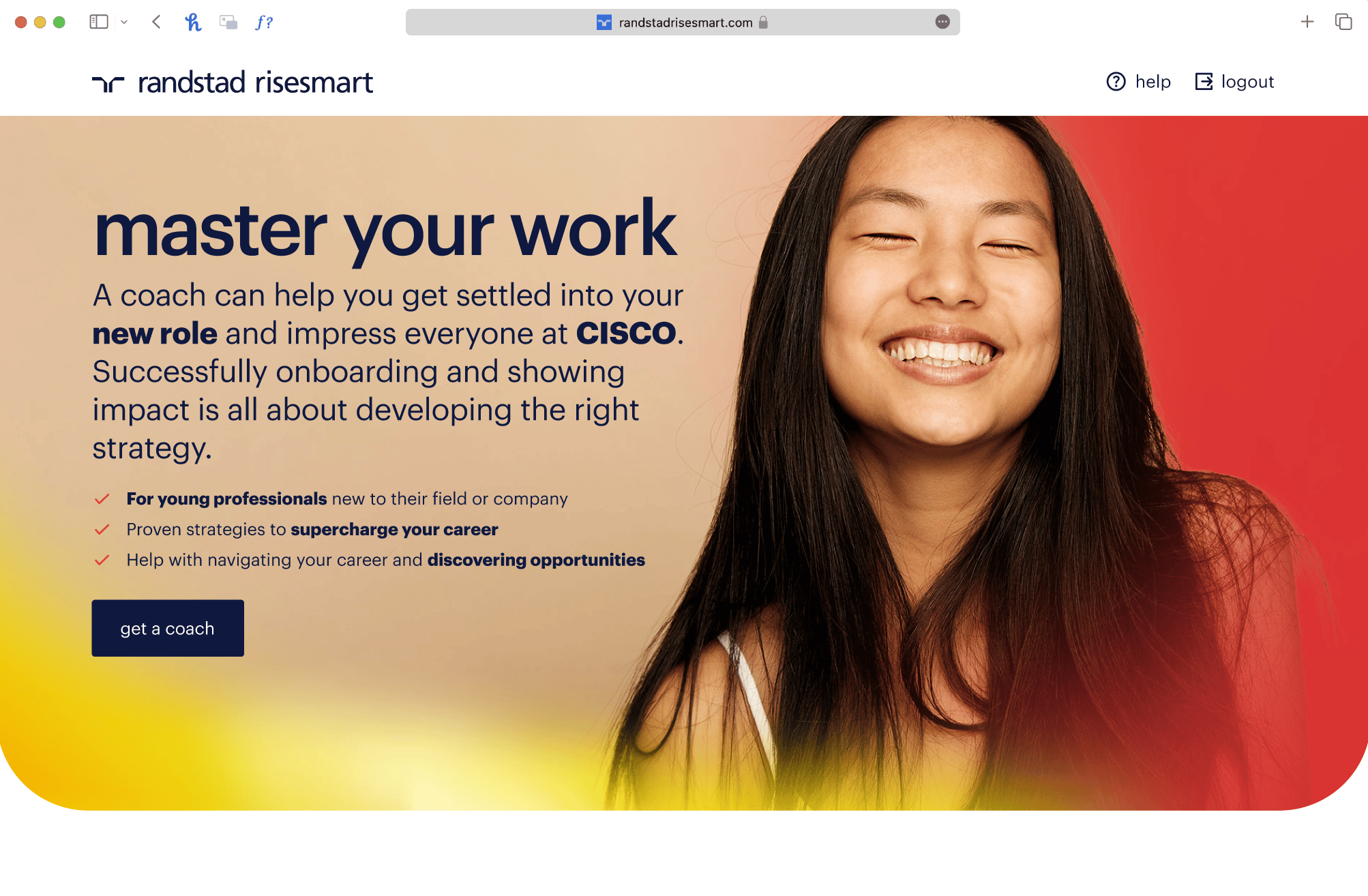
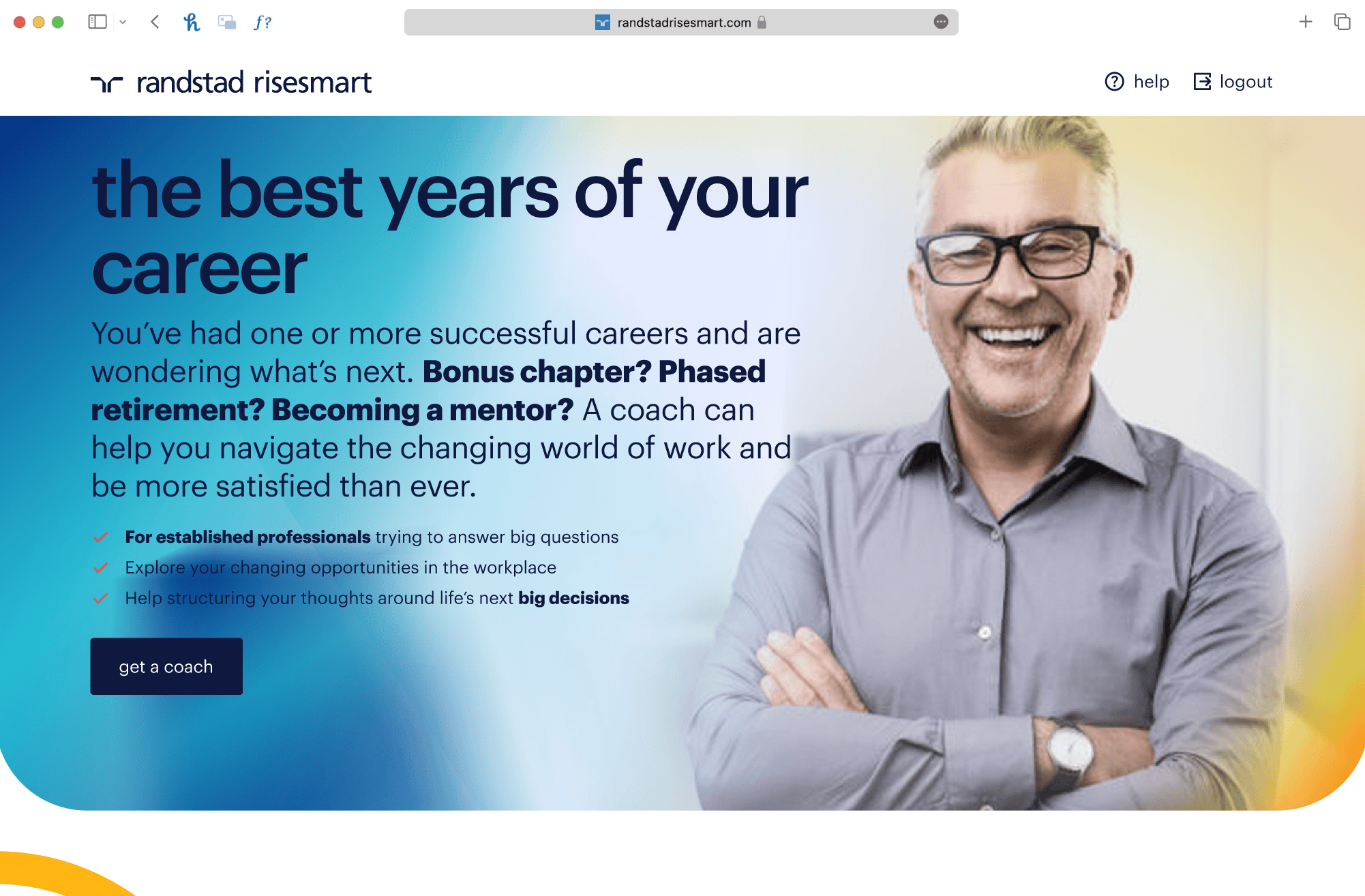
Based on these insights, we began exploring personalized onboarding experiences:
- Tailoring messaging based on user intent
- Helping users discover their own need for coaching
- Increasing relevance before the first session
The Hypothesis
If users see themselves in the experience, they are more likely to convert.
Key Takeaways
- Conversion is a system problem where product UX is only one part of the equation.
- Removing choice can improve outcomes, even when it goes against what people “want.”
- Moving from feature-driven thinking to behavior-driven design can have an outsize impact.